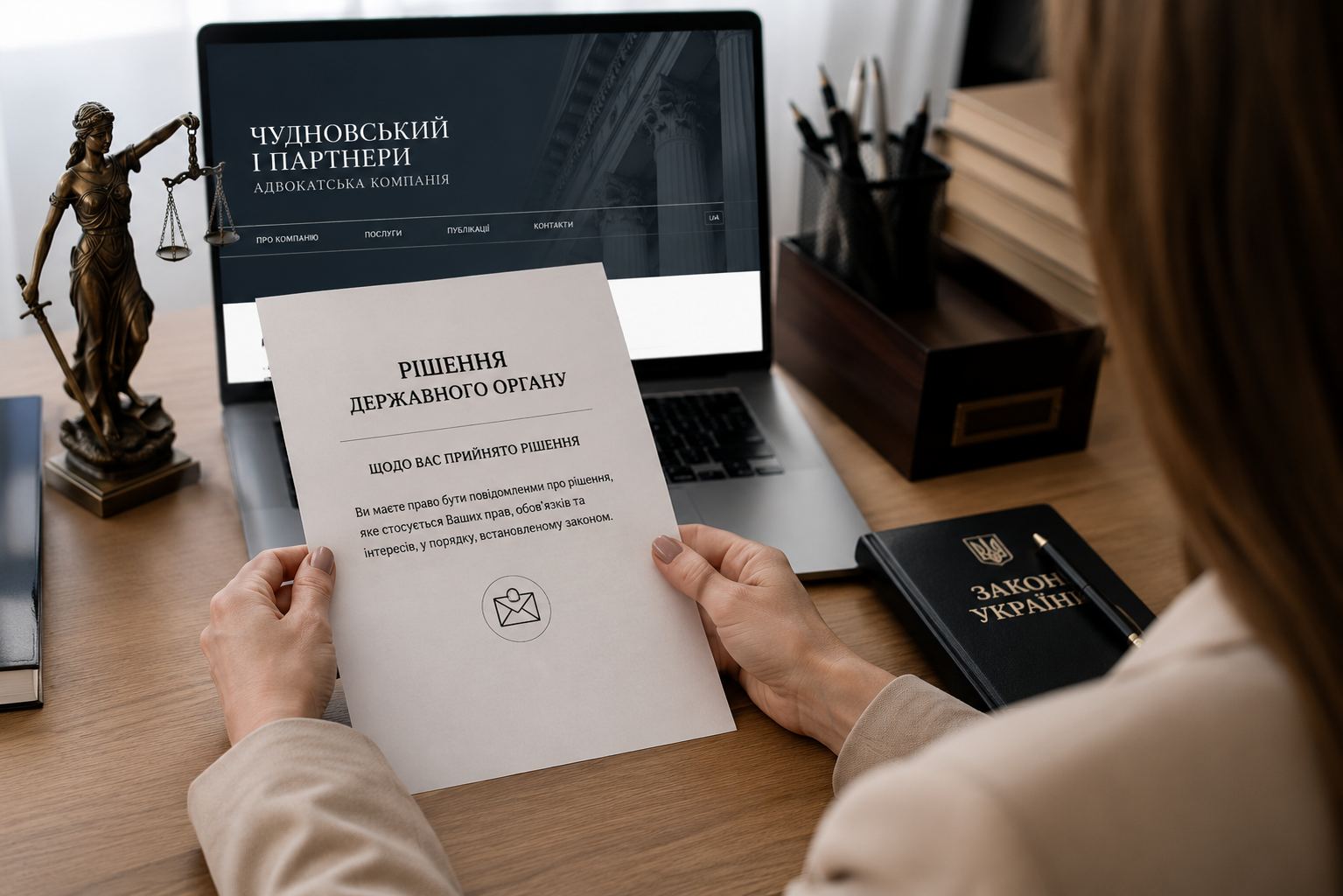
The Right to Be Informed as a Limit of Lawful State Influence
Why the mere internal existence of a governmental decision does not necessarily mean that a person has been properly informed about a change in their legal status.

Why the mere internal existence of a governmental decision does not necessarily mean that a person has been properly informed about a change in their legal status.
In relations between an individual and the state, special importance lies not only in the content of a governmental decision, but also in the manner in which such a decision is communicated to its recipient.
A public authority may adopt a decision, generate a document, register it within its own information system, or publish it in a relevant electronic resource.
However, the mere internal existence of such a decision does not always mean that a person has been properly informed about a change in their legal position.
Author: Olha Chudnovska, Advocate

When the obligation to pay alimony arises, what types of maintenance exist, and how the interests of a child or family members can be protected.
Alimony is one of the most common issues in family law disputes. After separation or divorce, the financial support of a child often becomes a source of conflict between parents.
It is important to understand that alimony is not voluntary assistance, but a legal obligation to provide maintenance for a child or other family member.
The right to maintenance has a social function and aims to ensure an adequate standard of living for a person who requires financial support.
What is alimony
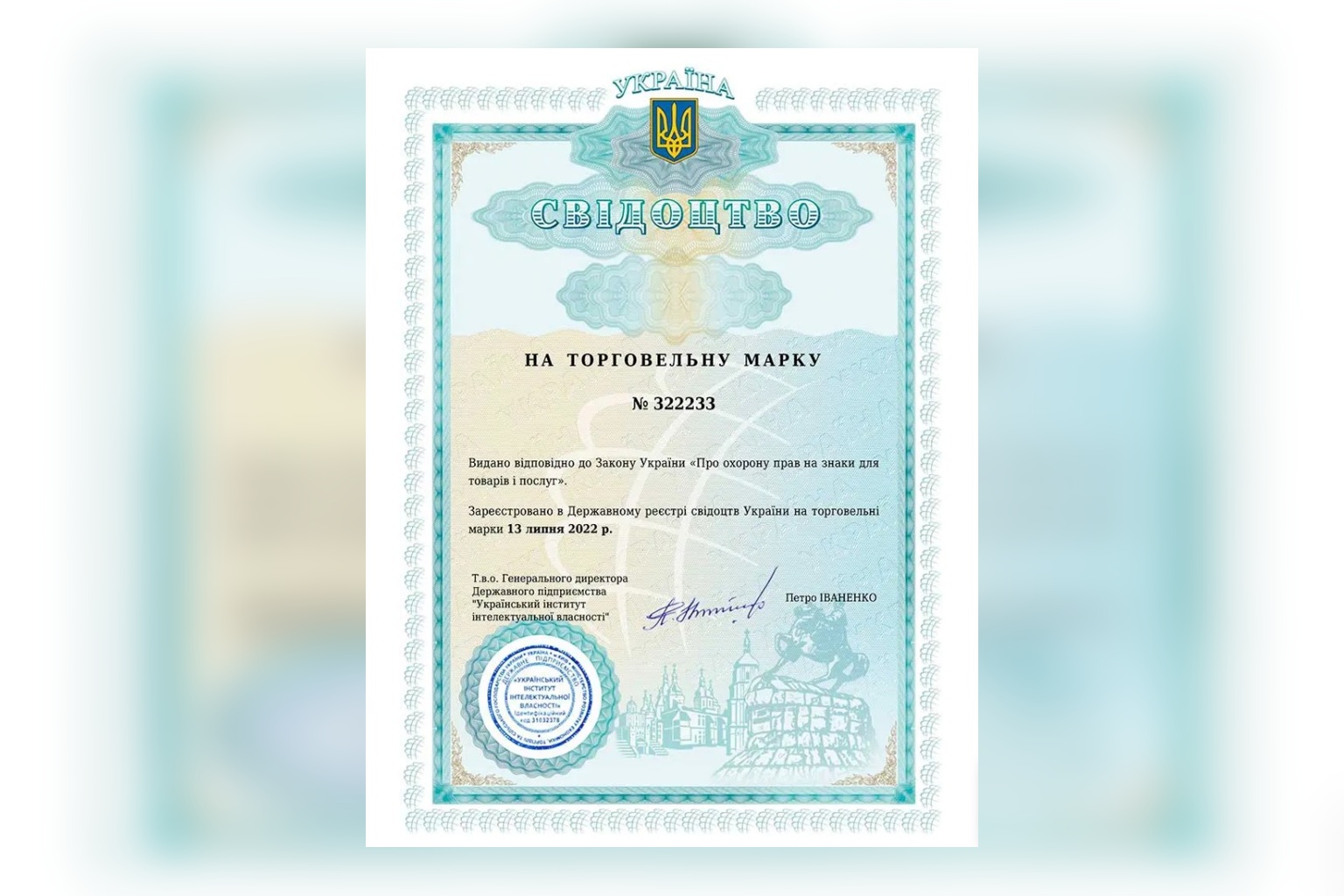
What a trademark is, why businesses need registration, how to choose Nice classes, timelines and risks — and how to truly protect your brand.
In modern business, a name, logo, and visual identity are not merely marketing elements but valuable company assets. They shape recognition, customer trust, and competitive advantage.
Without legal protection, however, a brand may be used by third parties — putting a company at risk of losing customers, reputation, and market share.
Trademark registration is a legal tool that secures exclusive rights to a brand and enables lawful action against copying, unfair imitation, and unfair competition.
What is a trademark
A trademark is a sign that distinguishes the goods or services of one provider from those of others. It may be registered as a word (brand name), a logo, or a combined mark (text + graphic).
Author: Olha Chudnovska, Advocate
Why a judgment does not always mean restored justice — and what tools help ensure real enforcement in practice.
After receiving a favourable court decision, a person often feels relief and a quiet certainty that justice has been restored. Yet in practice, it is precisely after the decision becomes final that a new—and no less demanding—stage begins: enforcement of the court decision.
Under Article 129¹ of the Constitution of Ukraine, a court decision is binding and must be complied with. However, between a legal victory and the actual restoration of a violated right there is, not infrequently, a long road.
In many cases the debtor does not hurry to comply voluntarily. The reasons may vary:
As a result, a person who has won in court may wait for years for the decision to be enforced in reality.
Author: Olha Chudnovska, Advocate
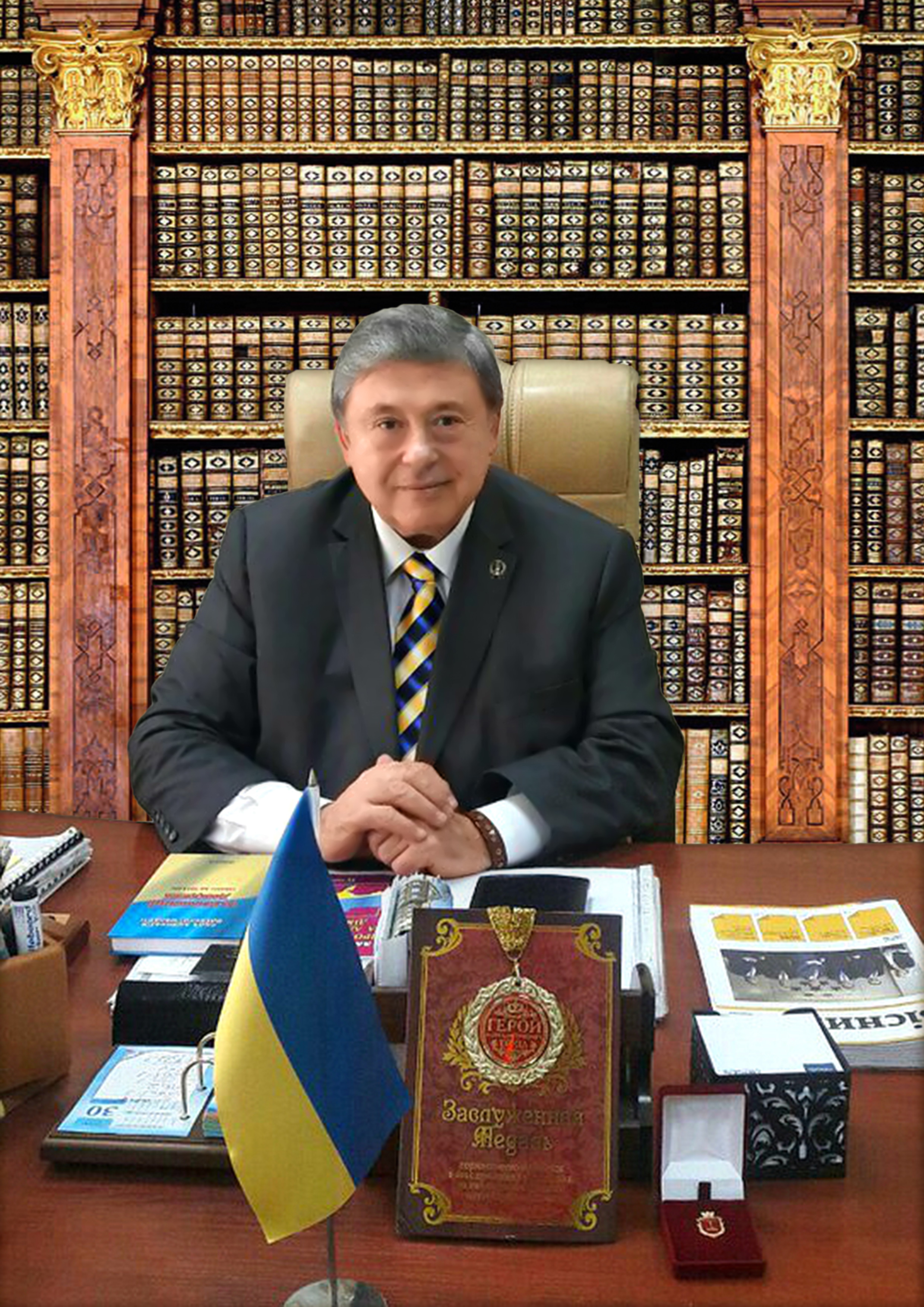
A life story, professional principles, and contribution to the Ukrainian Bar. A story of service to law and justice.
Jus est ars boni et aequi…
Law is the art of goodness and justice…
Legal education and the legal profession have been valued in every era. We all aspire to live and work within a system built on fairness, the rule of law, and respect for the law.
The Constitution of Ukraine guarantees everyone the right to protect their rights and freedoms from violations and unlawful encroachments by challenging in court the decisions, actions, or inaction of public authorities, local self-government bodies, and their officials.
The prestige of an advocate and the effectiveness of professional activity directly depend on the position of the individual in society and the state, and on the state’s attitude toward fundamental principles of democracy, legality, and the rule of law.
The life principles of M. Z. Chudnovsky—respect for law, competence, attentiveness to a person and their essential needs—became the foundation of the work of the Law Company “Chudnovsky & Partners”.
Since September 2012 these legal principles, under Mykhailo Zakharovych’s leadership, have been shared by a team of like-minded advocates who not only adopt the experience of the respected lawyer but also contribute their own achievements to the common cause.
Mykhailo Zakharovych was born on 6 January 1950 in Odesa…
After military service he returned to Odesa and continued his development precisely in the human-rights field.
In 1974 he became a student of the Faculty of Law of Odesa I. I. Mechnikov State University…
In June 1981 Mykhailo Zakharovych was admitted as an advocate to the Odesa Regional Bar Association…
From November 1993 he continued to work as an advocate within an advocates’ association…
In 2001 he became a member of the Union of Advocates of Ukraine.
In 2003 the advocates’ association changed its name to “Legal Protection”, and in 2009 he was elected its head.
On 1 September 2012 the Advocates’ Association “Law Company ‘Chudnovsky & Partners’” was founded, with Mykhailo Zakharovych elected as its President.
Today the advocates of the company not only follow the proclaimed principles, but also improve their professional mastery daily.
The team is united by devotion to humane values and the best traditions of the Bar.
At present, the company’s advocates provide comprehensive legal services and represent clients before the European Court of Human Rights.
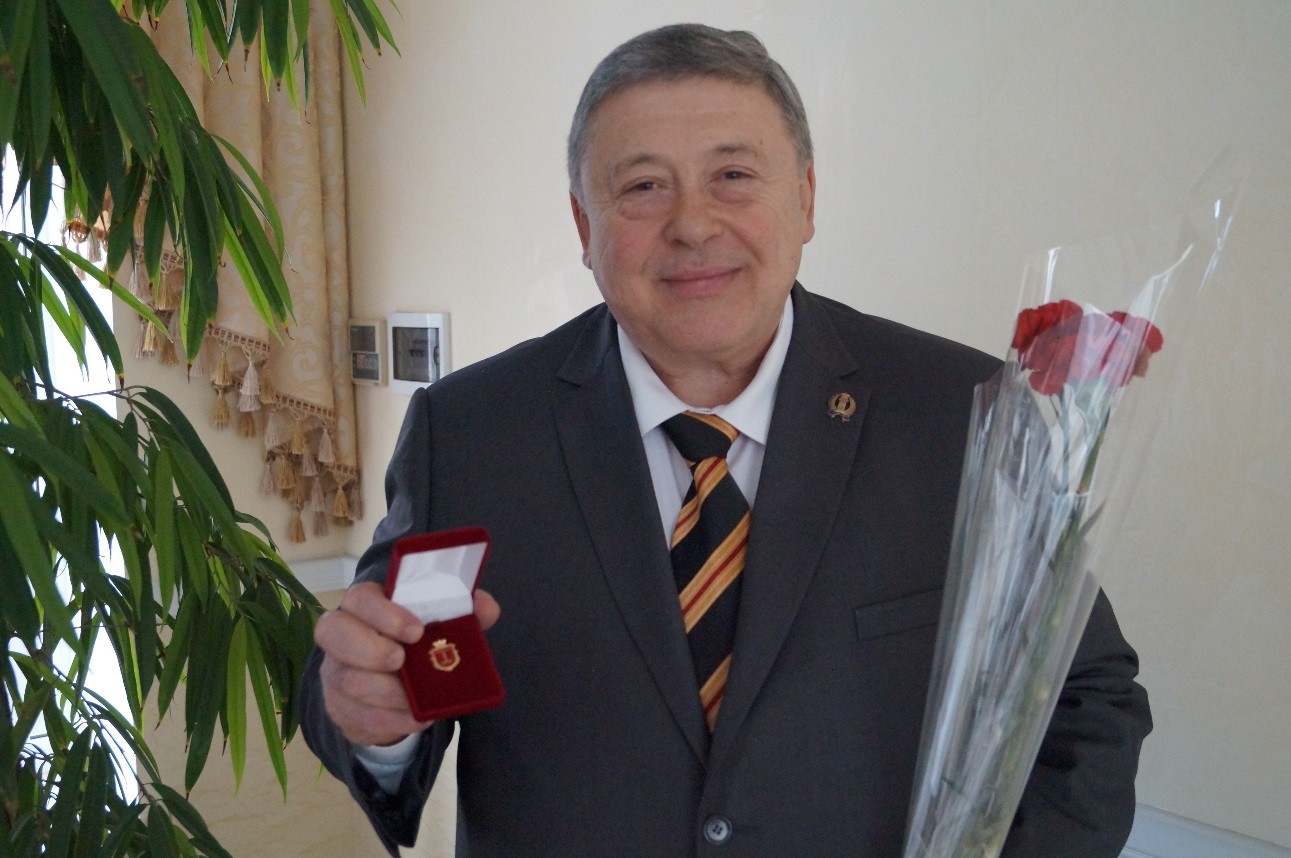
For diligent work, high professionalism, and a significant contribution to the affirmation of the principle of the rule of law, in 2007 Mykhailo Zakharovych received a letter of gratitude from the head of the presidium of the Odesa Regional Bar Association.
In 2010 he was awarded an honorary certificate from the Odesa Regional Council for a significant contribution to strengthening the legal foundations of statehood.
In 2012 he received thanks for devotion to the Bar and for organising festive programs for the advocates of the Bar Association.
In 2015 he was awarded an honorary certificate of the Qualification-Disciplinary Commission of the Bar of Odesa Region and a distinction of the Odesa City Council.
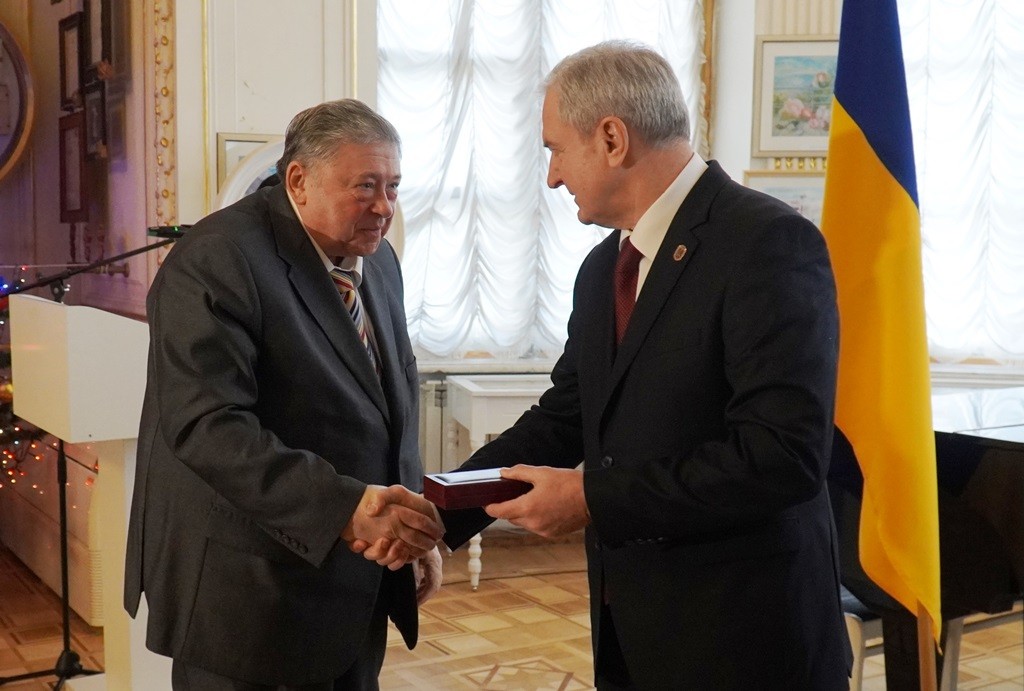
By Decree of the President of Ukraine No. 526/2021 of 8 October 2021, for a significant contribution to building a state governed by the rule of law, Mykhailo Zakharovych was awarded the honorary title “Honored Lawyer of Ukraine”.
On 21 January 2022, during celebrations of Unity Day, the state award was presented in Odesa.
On 19 December 2024, he was awarded the honorary distinction of the National Association of Advocates of Ukraine “For Strengthening the Rule of Law”.
On 6 January 2025, he marked his 75th anniversary.
Author: Olha Chudnovska, Advocate
Post-war development of international humanitarian law: protection of war victims, evolution of human-rights standards, and institutional mechanisms of international cooperation.
The humanitarian-law outcome of the Second World War (1939–1945) was the recognition of a pressing need for an international legal system aimed at limiting the institution of war, restraining its destructive and inhumane nature, and more effectively protecting human rights and freedoms during armed conflicts. In the view of philosophers of law and international lawyers, three main reasons shaped the emergence and development of international protection of human rights in wartime.
First, historical experience has shown that states which violate human rights and freedoms represent a threat to general peace and security; peoples tend to place trust in states that adhere to democracy and respect the inalienable rights of the individual. Second, ensuring human rights and freedoms—especially combating gross and mass violations such as racism, apartheid, international terrorism, genocide, and “ethnic cleansing”—requires joint efforts by states, and such brutal violations can be stopped under pressure from, and with the support of, the international community of states. Third, universally recognised ideas about minimum standards of humane treatment in a civilised society, enshrined in universal international instruments as an expression of humanity’s humanitarian experience, allow the general philosophical idea of unity in human concepts of freedom and humanism to be realised in concrete norms and rules of international legal protection.
The 1949 Geneva Diplomatic Conference on the protection of victims of war became the first such post-war step. These are guiding and foundational documents of contemporary international humanitarian law: multilateral international agreements adopted after the Second World War and the establishment of the United Nations in 1949. In order to replace three outdated but still applicable conventions at the time of the conference (the Hague Conventions of 1907 and two Geneva agreements of 1929), the Swiss Government convened a new conference, at which four documents—four Conventions—were adopted for application during armed conflicts, including directly in the course of hostilities.
The Geneva Conventions on the protection of war victims, as the main humanitarian instruments protecting virtually all persons in one way or another drawn into armed conflicts, consist of four Conventions and are further referenced in the Additional Protocols of 1977 as: the First Geneva Convention for the Amelioration of the Condition of the Wounded and Sick in Armed Forces in the Field; the Second Geneva Convention for the Amelioration of the Condition of Wounded, Sick and Shipwrecked Members of Armed Forces at Sea; the Third Geneva Convention relative to the Treatment of Prisoners of War; and the Fourth Geneva Convention relative to the Protection of Civilian Persons in Time of War. By the beginning of 2005, 186 countries had become parties to the Geneva Conventions and had partially or fully implemented their rules. Their application begins in the event of a declared war or armed conflict and with the factual commencement of hostilities, even if one of the parties does not recognise the state of war; it also applies in cases of occupation by one state of all or part of another state’s territory.
After the fall of the Russian Empire in 1917 and the collapse of the Ottoman Empire in 1923, Western Europe was flooded with refugees from Russia and Turkey.
At that time, foreigners could use the rights granted by the legislation of the host country only if the principle of reciprocity with the country of their citizenship was established. Reciprocity was ensured through diplomatic missions and consulates. Refugees who were persecuted by their country of citizenship, by definition, could not benefit from diplomatic protection by those missions in the way ordinary citizens travelling and living abroad could. Refugees from Turkey (Armenians) and Russia found themselves in a state of legal powerlessness, which created the need for diplomatic protection.
On 30 September 1930, the League of Nations established an International Refugee Organisation (the Nansen Office), which not only continued the work of the High Commissioner for Russian and Armenian refugees but also assumed humanitarian work for refugees that had been carried out in 1924–1929 by the International Labour Organization.
In 1933 a High Commissioner for refugees from Germany was appointed. Since Germany objected to the creation of such an institution within the League of Nations framework, the body was set up by interested states outside the League. Only after Germany left the League of Nations in 1936 were the functions of the High Commissioner for refugees from Germany integrated into the Nansen Office.
In July 1938, to cope with the growing flow of refugees from Germany, interested states created the Intergovernmental Committee on Refugees. This committee worked outside the League of Nations and dealt with refugees from Austria and Spain. It protected only a few groups of refugees: Russians, Armenians, Germans who fled to Austria, and persons who fled Spain. Different protection systems were developed for these groups; the concept of “status determination” did not yet exist.
In 1944, in close cooperation with the Allied Expeditionary Forces Supreme Command, the first UN agency was created: the United Nations Relief and Rehabilitation Administration (UNRRA).
UNRRA was the predecessor of UNHCR. At that time Europe counted six million persons in need of assistance. After the war ended, one million of those six million refused to return home. A new problem arose for the international community.
Working in close cooperation with the Allied Expeditionary Forces Supreme Command was the first UN agency, namely UNRRA. It was created on 9 November 1943, almost two years before the United Nations itself was established.
In 1945 the United Nations was founded. On 24 October, the UN Charter was ratified by the five permanent members of the Security Council and by most other signatory states, and it entered into force. The Charter devoted significant attention to human rights and their protection.
In 1945–1946, government representatives spoke extensively about the refugee problem and the principle that refugees must not be returned home against their will. The problem was recognised as international.
In 1946 a special organisation for refugees was created: the International Refugee Organization. Debates continued, since there was already agreement that those fleeing war needed protection. Ideological differences between the polarised East and West sharpened. The Cold War began, and disputes over the definition of “refugee” became increasingly complicated and intense.
On 10 December 1948 the Universal Declaration of Human Rights was adopted; it included, among other things, the right to asylum. However, the Soviet Union and the countries of the Soviet bloc voted against the Declaration, since, under the Soviet concept, refugees from Eastern Europe were treated as traitors who should be returned to their homeland and tried. At that time there were three million refugees in the world.
In 1951, in Geneva, the Convention relating to the Status of Refugees was adopted. It defined the term “refugee” and established general grounds upon which refugee status should be granted. The instrument set a temporal limitation: a refugee was recognised as a person who became such as a result of events occurring before 1 January 1951.
On 31 January 1967 the Convention was supplemented by the New York Protocol relating to the Status of Refugees. The Protocol confirmed the Convention’s definition of refugee, except for the words “as a result of events occurring before 1 January 1951” and “as a result of such events”. The Protocol obliged States Parties to cooperate with the Office of the United Nations High Commissioner for Refugees.
In recent years Ukraine has encountered a new phenomenon: persons displaced from Donbas and Crimea. Many immediately called them “refugees”, but these notions should be distinguished. A displaced person (internally displaced person) is a citizen of Ukraine who has been forced to leave their permanent place of residence and moved within the country. A refugee is a foreigner who, due to certain circumstances, has left their country and seeks a new place of residence.
The High Contracting Parties, considering that the Charter of the United Nations and the Universal Declaration of Human Rights adopted by the General Assembly on 10 December 1948 affirmed the principle that all persons should enjoy fundamental rights and freedoms without discrimination; considering that the United Nations has repeatedly expressed deep concern for the fate of refugees and has endeavoured to ensure the widest possible enjoyment by refugees of such fundamental rights and freedoms; considering that it is desirable to revise and consolidate earlier international agreements relating to the status of refugees and to extend the scope of their application, and that such protection should be secured through a new agreement; considering that granting asylum may impose an unduly heavy burden on certain countries and that a satisfactory solution to a problem of an international scope and nature recognised by the United Nations therefore cannot be achieved without international cooperation; expressing the wish that all States, recognising the social and humanitarian character of the problems of refugees, take all measures to prevent misunderstandings between States in connection with this issue; noting that the UN High Commissioner for Refugees is entrusted with supervising the application of international conventions for the protection of refugees; and recognising that the effectiveness of coordinating measures taken to resolve this problem depends on the cooperation of States with the High Commissioner, have concluded the above agreement.
Any protected person who wishes to leave the territory at the beginning of, or during, a conflict shall be entitled to do so unless their departure is contrary to the national interests of the state. Applications to depart must be examined according to an established procedure, and decisions must be taken as soon as possible. Persons granted permission to depart may provide themselves with money necessary for the journey and may take with them, within reasonable limits, sufficient personal belongings. Persons denied permission to leave the territory are entitled to have that refusal reconsidered as soon as possible by an appropriate court or administrative body designated by the detaining state. Where such a request has been made, representatives of the Protecting Power may, if security considerations allow, or if the persons concerned do not object, be informed of the reasons for refusal regarding any request to depart, and as soon as possible be informed of the names of all persons to whom such permission has been refused. For departures authorised under the preceding paragraph, satisfactory conditions as to safety, hygiene, health and nutrition must be ensured. All expenses from the point of departure from the territory of the detaining state shall be borne by the country to which they go, or, in case of stay in a neutral country, by the state whose nationals benefit. Practical arrangements for such movements shall, if necessary, be determined by special agreements between the states concerned. The above does not affect special agreements that parties to the conflict may conclude regarding exchange and repatriation of their nationals who find themselves in the power of the enemy.
Author: Olha Chudnovska, Advocate
International cooperation in gathering evidence abroad in civil matters: judicial and non-judicial routes and the mechanism of the 1970 Convention.
The set of legal facts that makes it possible to resolve a case on the merits is broad and diverse. The principle of dispositiveness cannot be considered separately from the parties’ obligation to submit evidence.
At the heart of proof lies practical activity, during which factual data are perceived, and certain facts are perceived directly. All of this is subject to logical analysis; as a result of rational thinking, versions (hypotheses) are advanced and then tested again through practical activity.
The court’s function is to achieve, in the course of considering and resolving each case, true knowledge of the factual circumstances relevant to the disputed legal relationship, and then to apply correctly to the established legal facts the norm—or set of norms—of substantive law.
Usually, parties in court proceedings do not in every case have the evidence necessary to prove the facts on which their claims and objections are based. The process of identifying and collecting evidence necessary for consideration of the case is not always limited to drafting the statement of claim and pre-trial preparation. To a significant extent, evidentiary practice in civil cases faces situations where the evidence needed to resolve the case or substantiate the legal position lies outside Ukraine’s territorial and jurisdictional boundaries. In such circumstances, obtaining evidence in a dispute involving a foreign element is considerably more complex and is carried out through a specialised international legal mechanism based on international conventions.
International cooperation in this context consists primarily in organising judicial mutual assistance, based on the technique of a letter of request (commission rogatoire), i.e., obtaining evidence abroad with the assistance of a court (the judicial route). At the same time, the Convention provides for the possibility of collecting evidence by diplomatic and consular agents, as well as by so-called commissioners (commissaries)—in other words, it provides a quasi-judicial route as well.
Thus, world practice has developed two main ways of obtaining evidence abroad: (1) judicial—linked to direct or indirect participation of judicial authorities of two states in activities aimed at obtaining evidence; and (2) non-judicial—when the parties themselves, by their own means, organise the search and collection of evidence and evidentiary information in the territory of another state. Alongside this, collection of evidence abroad by a court or through a court (the judicial route) is generally carried out using an international legal mechanism provided by bilateral or multilateral treaties.
First and foremost, this concerns the Hague Convention on the Taking of Evidence Abroad in Civil or Commercial Matters of 18 March 1970 (hereinafter, the “Convention”), which is in force for Ukraine.
When speaking about the subject matter of this Convention, it should be borne in mind that, unlike, for example, the Brussels Convention of 27 September 1968 on jurisdiction and the enforcement of judgments in civil matters—which contains a list of relationships excluded from its scope—the 1970 Hague Convention does not provide special provisions limiting its scope by subject matter. Therefore, one may conclude that each state has the right, at its own discretion, to interpret the meaning of “civil matter”.
Evidence, by its nature, due to objective or subjective circumstances, may be located both within a particular court’s territorial district and outside it, including in the territory of other states. This makes acute the question of choosing mechanisms to obtain such evidence.
The central place in this mechanism today is occupied by the Convention, ratified by Ukraine under the Law of Ukraine “On the Accession of Ukraine to the Convention on the Taking of Evidence Abroad in Civil Matters” of 19 October 2000.
The Convention has been ratified by more than forty countries, which is why some researchers speak of its universal character, noting that it contains a generally recognised standard (model).
It is worth noting first that the Convention, which replaces the earlier civil procedure conventions of 17 July 1905 and 1 March 1954, has as its main purpose the establishment, in relations between Contracting States, of a simplified procedure for obtaining judicial evidence abroad.
Considering the judicial method of collecting evidence abroad, the Convention establishes a mechanism of judicial mutual assistance—i.e., the transfer by one judge to another of authority to perform certain procedural acts. Compared with other Hague Conventions devoted to international judicial assistance, the system of letters of request under the 1970 Convention provides for a special authority (central authority) in each Contracting State.
For example, under Ukraine’s law on accession dated 19 October 2000, the central authority of Ukraine is the Ministry of Justice.
Accordingly, letters of request are sent directly to the central authority of the requested state without mediation of other bodies of that state (Article 2(2) of the Convention).
Certain requirements also apply to the form and content of a letter of request. In particular, it must include several mandatory elements: information about the parties, a brief statement of the case and the acts for which the request is made; and, if necessary, more detailed information about the persons to be examined; the questions to be put; the documents to be inspected, etc. (Article 3 of the Convention).
If the central authority considers that the conditions concerning form or content have not been fulfilled, it promptly informs the central authority of the requesting state. Article 12 of the Convention also provides that the competent authority of the requested state may refuse to execute the letter of request if it concludes that execution does not fall within the scope of the Convention; such refusal must be reasoned. In principle, issues of this kind are resolved through bilateral negotiations between the competent authorities (Article 5 of the Convention).
The next stage of the mechanism, according to the Convention, is the direct execution of the letter of request. Execution is, as a rule, carried out in accordance with the procedural forms and rules of the state where the request is executed (Article 9(1) of the Convention).
The Convention also provides for execution according to the procedural law of the requesting court. However, this is possible only if applying foreign procedural law does not conflict with the law of the state of execution (Article 9(2) of the Convention).
Under Article 9(3) of the Convention, the letter of request must be executed expeditiously. Of course, this hardly implies priority over local court cases, but it largely depends on the diligence of the requested authorities. The speed of execution certainly depends on many factors—for example, the ability of the person to be examined to provide evidence or explanations, time limits for consideration of applications in national bodies, and so forth.
Execution may also be refused if it would cause harm to, or create a threat to, the national interests and sovereignty of the requested state (Article 12(1) of the Convention).
The list of grounds for refusal in Article 12 is exhaustive and may not be extended through expansive interpretation in national legislation.
Another method, provided for in Chapter II of the Convention, is obtaining evidence abroad by diplomatic officers, consular agents, and commissioners. In Ukraine’s instrument of accession, Ukraine made a reservation excluding application of Chapter II of the Convention, except for Articles 15, 20, 21, and 22. Thus, use of this method on Ukraine’s territory is significantly limited.
This method, compared with letters of request, is secondary—not so much due to the order of presentation in the Convention, but because it depends more heavily on the discretion of the state on whose territory evidence is located or evidentiary information is collected. Numerous reservations accompanying this method significantly reduce its effectiveness. In particular, under Article 15(2), a Contracting State may declare that evidence may be taken by diplomatic officers or consular agents only if consent is granted on the basis of their applications, or applications made on their behalf, to the authority designated by the declaring state.
Nevertheless, despite the many obstacles in using this method, it is worth outlining its implementation according to the Convention. The use of consular agents to obtain evidence abroad was provided earlier in the Hague civil procedure conventions of 1905 and 1954. The 1970 Convention did not fundamentally change their role, yet attempted to strengthen the effectiveness of evidentiary activity by such actors. In general, the utility of the “consular” method is twofold: first, a consular agent executing requests of a national court uses an established procedure; second, this method is characterised by the absence of costs (or minimal costs), which is also significant.
A somewhat different question is obtaining evidence abroad through commissioners. Introducing this institution among other mechanisms was an innovation of the Convention, proposed by the United States.
The Convention hardly limits the use of commissioners by additional conditions. It contains no mandatory rules regarding qualifications or characteristics of commissioners; courts choose them at their discretion, taking into account the parties’ motions.
It should also be noted that the Convention’s exclusivity in the sphere of obtaining evidence abroad in civil matters may occur only if states simultaneously refuse to regulate that sphere through their own domestic means. For example, where the Convention merely gives legal binding force to actions previously based on rules of international comity, it cannot be regarded as having an exclusive character. In that case, use of Convention procedures would be an additional way of obtaining evidence in a case.
Finally, it should be emphasised that an unquestionable convenience of the commissioner mechanism for common-law countries, where procedural law often provides for such a possibility, is the ease of adapting results obtained by commissioners abroad to the national procedure—just as with consular and diplomatic agents.
Research into the main mechanisms of identifying and collecting evidence abroad under the Hague Convention does not exhaust all issues: questions remain, in particular, about the Convention’s exclusivity and its relationship with national means of obtaining evidence. However, using these mechanisms currently appears to be practically the only effective way of officially collecting evidentiary information abroad.
Author: Olha Chudnovska, Advocate

A training on legal aid for internally displaced persons (IDPs) and an overview of key focus areas of the ICLA program.
On 16–17 June 2017, a training on providing legal assistance to internally displaced persons (IDPs) took place.
On 16 June 2017, the agenda included: presentation of the ICLA project; the procedure for IDP registration; legal aspects of assigning monthly targeted assistance to IDPs; receipt of pensions and other social payments by IDPs; formalisation of transactions involving real estate located in temporarily occupied territories; compensation for damaged and destroyed housing in temporarily occupied territories; exercise of property rights when moving property across administrative borders with non-government-controlled territories; and inheritance procedures.
On 17 June 2017, the agenda included issues related to moving children across administrative borders with temporarily occupied territories, as well as establishing the fact of a child’s birth.
The speakers at the training were: Andrii Kostin (Deputy Head of the Council of Advocates of Odesa Region); Nataliia Yakubovska (Head of the ICLA project of the Norwegian Refugee Council); Iryna Bondarenko (Head of the Odesa Interregional Resource and Communication Platform of the Coordination Centre for Legal Aid); Nadiia Hubarieva (Leading lawyer of the ICLA project of the Norwegian Refugee Council); Anastasiia Serbina (advocate); and Yuliia Lisova (advocate).
Participants included representatives from various cities such as Poltava, Kharkiv, Cherkasy, Kyiv, Kherson, and Sievierodonetsk. Among them were representatives from Odesa: A. Ye. Kostin, O. M. Chudnovska, I. D. Bondarenko, R. I. Puhach, N. I. Nechaiev, K. E. Shakhnazarian, and I. A. Solomentsev, who actively took part in the discussion.
The main focus of the training was the ICLA project.
The ICLA programme is intended to help displaced and conflict-affected persons in Luhansk and Donetsk regions exercise their rights and freedoms, overcome legal obstacles by raising legal awareness, and obtain legal information and consultations.
First of all, it is necessary to understand that an internally displaced person is a citizen of Ukraine, a foreign national, or a stateless person who is legally on the territory of Ukraine and has a right to permanent residence in Ukraine, who was forced to leave or abandon their place of residence as a result of, or in order to avoid, the negative consequences of armed conflict, temporary occupation, widespread manifestations of violence, human rights violations, or emergencies of natural or man-made character.
To be registered as an IDP and obtain the relevant certificate, a person submits an application to the authorised body at their current place of stay (residence), namely to:
Authorised bodies, which are structural units for social protection of the population of district state administrations, district administrations in Kyiv, and executive bodies of city councils and district-in-city councils (where established);
An official of the authorised body involved in the work of the regional headquarters in accordance with established procedure—where an IDP is placed by the regional headquarters on issues related to social support for citizens moving from temporarily occupied territories and areas of the anti-terrorist operation;
Employees of housing-maintenance organisations or authorised persons determined by executive bodies of village and settlement councils, in coordination with the authorised body—at places of residence of IDPs.
The application form for IDP registration is approved by the Ministry of Social Policy of Ukraine and is provided by the social protection authority.
By signing the application, the applicant gives consent to the processing, use, and storage of their personal data and the personal data of underage IDPs who have arrived with them, in accordance with the Law of Ukraine “On Personal Data Protection”.
The social protection body that receives an IDP registration application:
Accepts the application and checks that it is correctly completed and that the documents attached are in order;
Verifies the existence of circumstances under which a person may be recognised as an IDP;
Makes a decision to register the person as an IDP or to refuse such registration;
If the decision is positive, enters information about the person into the Unified IDP Information Database and issues an IDP certificate;
If the decision is negative, refuses registration and provides written notification of the grounds for refusal.
If the applicant provides the required documents with a registration mark of place of residence in the administrative-territorial unit from which internal displacement occurs, the application is considered on the day it is submitted.
If the applicant provides required documents without such registration mark (and provides evidence of residence in that territory as required by law), the application is considered within fifteen working days.
As a result of the review, the applicant is issued either:
An IDP registration certificate, the form of which is approved by the Cabinet of Ministers of Ukraine; or
A decision refusing to issue such a certificate, stating the grounds for refusal.
Grounds for refusal to issue an IDP certificate include:
Absence of circumstances that caused internal displacement;
Availability of information from public authorities that knowingly false data were submitted to obtain the certificate;
Loss of identity documents, until they are restored;
Absence of a registration mark in the administrative-territorial unit from which displacement occurs and absence of evidence confirming residence there;
Failure to prove, by evidence provided, the fact of residence in the relevant territory.
Each child receives a certificate, including a child who arrived without parents or a legal representative, as well as a child born to an internally displaced person.
If a refusal decision is received, the person has the right to apply again after the grounds specified in Article 1 of the Law of Ukraine “On Ensuring the Rights and Freedoms of Internally Displaced Persons” arise, or after the reasons for refusal have been remedied. The person is also not deprived of the right to challenge the refusal decision in court.
The Norwegian Refugee Council (NRC) is an independent, humanitarian, non-profit, non-governmental organisation founded in 1946. NRC assists, protects, and supports solutions for refugees, internally displaced persons, and people affected by conflict or natural disaster. By providing assistance, NRC addresses humanitarian needs of internally displaced persons and other categories suffering from conflict and thereby prevents further displacement and contributes to solving urgent problems.
NRC began humanitarian work in Ukraine in November 2014 and provides assistance to the population of Luhansk and Donetsk regions.
In Ukraine, NRC implements programmes in the following areas:
Information, Counselling and Legal Assistance (ICLA): provision of free legal information and consultations to internally displaced persons and conflict-affected persons aimed at realising their rights and improving access to justice;
Food security: support for livestock farming to create sources of income among civilians living along the contact line; supply of seeds and fertilisers; provision of equipment to support crop production and food security for residents of areas near the contact line;
Shelter: repair of damaged buildings and provision of repair materials for housing in private and municipal ownership in areas destroyed by conflict;
Material assistance: provision of household items to the most vulnerable groups affected by conflict; seasonal assistance in the form of coal, firewood, fuel briquettes, and warm blankets for winter for residents of non-gasified houses located along the contact line;
Water, sanitation and hygiene: repair of water networks in localities where water supply is disrupted; supply of drinking water to local civilian population along the contact line where access is limited; delivery of hygiene kits primarily for persons with disabilities, the elderly, single mothers, and families hosting internally displaced persons.
NRC headquarters is in Oslo. The main office in Ukraine is in Kyiv, with three field offices in eastern Ukraine—in Sievierodonetsk, Stanytsia Luhanska, and Kramatorsk.
NRC carries out its activities with financial support from the Norwegian Ministry of Foreign Affairs, the European Union, and the UN Refugee Agency.
Author: Olha Chudnovska, Advocate
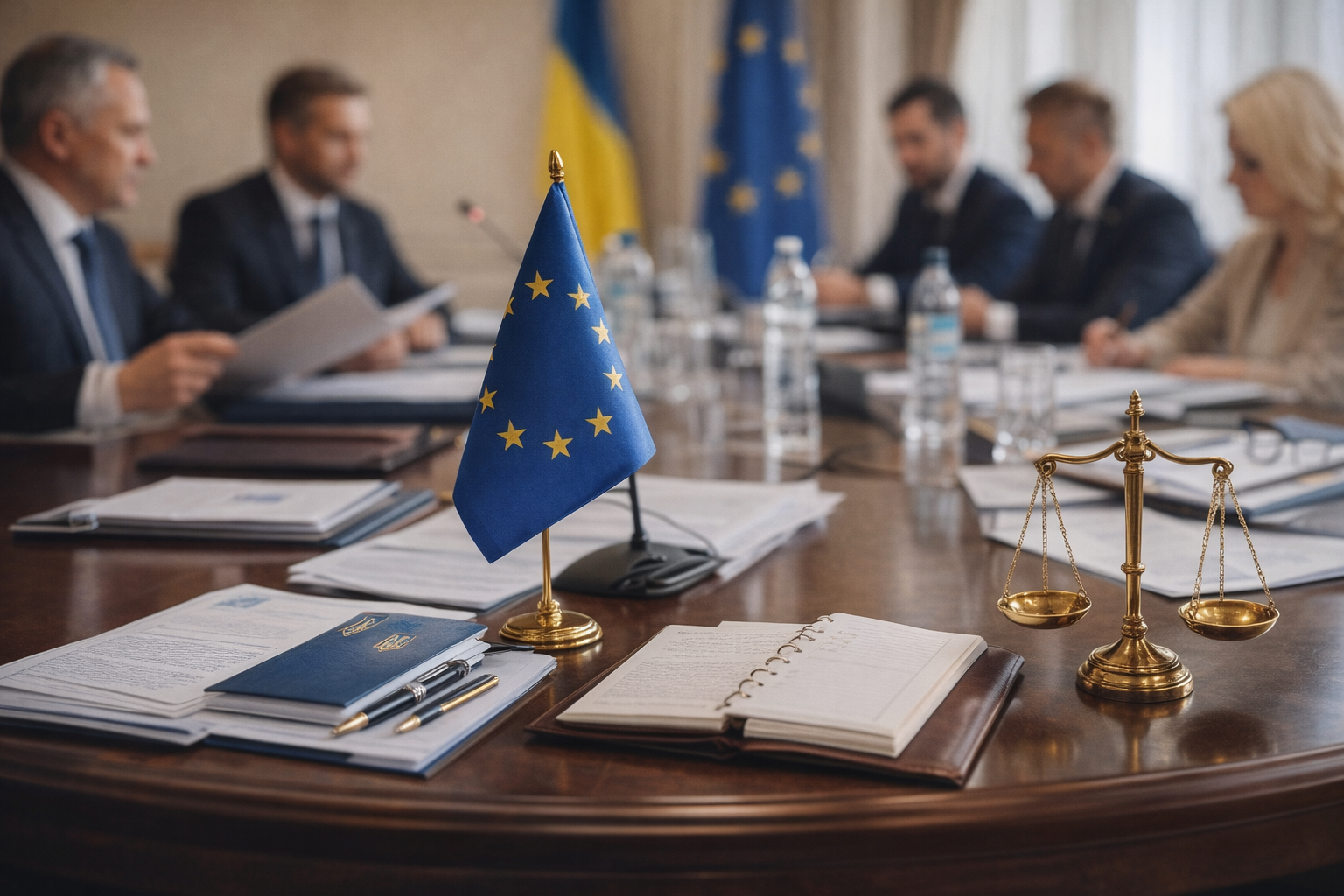
Enforcement reform as a key element of trust in justice: standards for executing court decisions, comparative experience, and the role of international support.
On 28 October 2016, a round table on reforming the system of enforcement proceedings in Ukraine took place.
Participants included Andrii Kostin (Deputy Head of the Council of Advocates of Odesa Region), Dovydas Vitkauskas (Coordinator of the EU Project “Support to Justice Sector Reforms in Ukraine”), Serhii Shkliar (Deputy Minister of Justice of Ukraine in charge of the enforcement service), Katilin Popov (Expert of the EU Project “Support to Justice Sector Reforms in Ukraine”), and many advocates from Odesa and Odesa Region, including advocates of the Law Company “Chudnovsky & Partners”: Mykhailo Zakharovych Chudnovsky, Olha Mykhailivna Chudnovska, Serhii Valeriiovych Reznichuk, Dmytro Ihorovych Yerhiiev, Mykolai Mykolaiovych Stoianov, and Ellina Yuriiivna Romanova, who took an active part in the discussion.
The main topic of the round table was the European Union Project “Support to Justice Sector Reforms in Ukraine”.
One of the fundamental human rights is the right to a fair trial within a reasonable time. The European Court of Human Rights, in Immobiliare Saffi v. Italy (28 July 1999), noted that enforcement of a judgment delivered by any court must be regarded as an integral part of the “trial” for the purposes of Article 6 of the European Convention on Human Rights. The right of access to a court guaranteed by Article 6 also presupposes practical execution of final, binding judgments, which in states that respect the rule of law cannot remain unenforced to the detriment of a party to the proceedings.
As is known, in France, Belgium, Luxembourg, and other continental European countries, enforcement officers are private individuals who operate under a licence. The same system functions in certain Eastern European countries, and its introduction has begun in post-socialist states. For example, since 2001 such a system has been implemented in the Czech Republic, where both private enforcement officers and court staff operate. Initial experience showed that private enforcement officers work significantly more effectively, but their services are more expensive.
Enforcement proceedings are a procedural form that guarantees compulsory execution of court decisions and other jurisdictional acts, and the implementation of rights and obligations confirmed by them within substantive legal relations. The quality of compulsory enforcement reflects the effectiveness of legal regulation in a country, since it directly influences the cultivation of respect for law among citizens and the legal value of state decisions themselves.
Ukraine has approached not only serious changes in the judicial system, but also an important element of public trust in courts: enforcement of court decisions. Experts note that if one analyses the current state of justice in Ukraine, the enforcement system faces significant problems, such as an extremely low rate of actual enforcement of court decisions; absence of an effective motivation system for state enforcement officers; systemic deficiencies in cooperation between state enforcement officers and other public and private institutions, and so on. Therefore, to overcome these and other problems, changes are required—specifically, reorganisation of the enforcement system and increasing the effectiveness of enforcement proceedings.
In Ukraine at the present stage, compulsory execution of decisions of jurisdictional bodies is the exclusive competence of the State Enforcement Service of Ukraine, a central executive authority operating within the system of the Ministry of Justice of Ukraine. State enforcement officers who exercise powers of compulsory execution are currently civil servants; however, the issue of de-statization of compulsory enforcement and introduction of private enforcement officers has been raised in Ukraine.
The EU Project “Support to Justice Sector Reforms in Ukraine” supports Ukraine’s efforts to build a justice system based on the rule of law. The purpose of this initiative is to exchange experience and best practices between Ukrainian authorities and experts from EU Member States, and to assist in forming sustainable reforms of Ukraine’s justice sector. The project cooperates with public institutions and civil society in order to support development of a more fair, efficient, and accountable judicial and law-enforcement system that respects human rights and protects the people of Ukraine.
The project is implemented by Justice Cooperation Internationale, a non-profit organisation authorised by the French Ministry of Justice to carry out international cooperation programmes, in cooperation with Expertise France, CIVIPOL (a consulting company of the French Ministry of the Interior), the Ministry of Justice of Poland, the Ministry of Justice of Lithuania, and the German Foundation for International Legal Cooperation (IRZ).
Thus, the aim of introducing international standards in this sphere should be to закрепить such forms and directions of activity of the enforcement service and its officials in Ukraine that ensure proper functioning of social relations in enforcement proceedings on the basis of inviolability of constitutional rights, freedoms, and lawful interests of individuals. That is why a priority direction of reform remains improvement of legislation. Updated laws must, above all, remove legal barriers to enforcing court decisions and develop a system of legal norms that will encourage participants in legal relations to fulfil their obligations unconditionally.
Author: Olha Chudnovska, Advocate